The Short Answer: Are Zero-Calorie Sweeteners Healthier Than Sugar?
Not automatically. Swapping refined sugar for a zero-calorie sweetener changes the number on the label. It does not necessarily make the food better for you, and for many people it makes the food harder on the gut.
Refined sugar is stripped from its source and concentrated. Erythritol, allulose, sucralose, and purified stevia extracts are manufactured or isolated to deliver sweetness without calories. Neither looks much like food.
The better question is not “sugar or no sugar?” It is what is doing the sweetening, how processed is it, and how much of it are you eating?
The Sweetener Spectrum
Sweeteners are not one category. They run along a gradient, from foods you would recognize to compounds you would not.
| Sweetener type | Examples | How we see it |
|---|---|---|
| Whole fruit | Fresh berries, bananas, apples | Sweetness with fiber, water, and structure intact. No concern. |
| Whole-food and unrefined sweeteners | Dates and date flour, unrefined coconut sugar, raw honey | Minimally processed, carrying some of their source’s fiber, minerals, or plant compounds. Used in small amounts. This is where LÜME sits. |
| Refined sugars and syrups | Cane sugar (including organic), brown rice syrup | Stripped, concentrated, and easy to overconsume. Best-documented harm at high intake. |
| Sugar alcohols and rare sugars | Erythritol, xylitol, sorbitol, maltitol, allulose | Poorly absorbed. Well-documented digestive side effects, plus emerging cardiovascular questions. |
| High-intensity sweeteners | Sucralose, saccharin, aspartame, acesulfame K, purified stevia extracts | Hundreds of times sweeter than sugar. Gut microbiome and glucose-response questions. |

The further down the table you go, the more processing is involved and the less long-term human evidence exists.
Refined Sugar: The Problem Is Refinement and Dose
We want to be precise here, because “all sugar is bad” is not what the evidence says.
The sugar in whole fruit comes packaged with fiber, water, and the plant’s own structure. The concern is refined sugar consumed in large amounts: sugar stripped from its source, concentrated, and added in volume to foods that would not otherwise taste sweet.
An analysis of national US survey data in JAMA Internal Medicine found that adults getting 25 percent or more of their calories from added sugar had 2.75 times the risk of dying from cardiovascular disease compared with those getting under 10 percent.
Notice what drives that finding: volume, from sodas, desserts, and snacks that stack refined sugar and syrups into every serving. “Organic cane sugar” belongs in this group too. Organic describes how the cane was grown, not how much the sugar was refined.
The answer to too much refined sugar is less of it, from better sources. It is not a chemical substitute.
The “Zero Sugar” Trap
Here is how a food full of sweeteners ends up saying “zero sugar.”
On a Nutrition Facts panel, “sugars” has a narrow meaning. Sugar alcohols such as erythritol, xylitol, and maltitol are not counted as sugars. Allulose is left out of the sugar totals as well. High-intensity sweeteners such as sucralose and stevia extracts are used in such small amounts that they barely register.
So a “zero sugar” bar, cereal, or granola can be heavily sweetened and still show a zero, and the label says nothing about how it will sit in your gut.
There is also a business reason these sweeteners are everywhere: they are cheap. High-intensity sweeteners such as sucralose and stevia extracts are hundreds of times sweeter than sugar, so a tiny amount replaces a large volume of real sweetener. Per unit of sweetness, they cost a fraction of whole-food sweeteners like dates or unrefined coconut sugar, and they never spoil. “Zero sugar” is a health claim for the shopper and a cost saving for the manufacturer.
Federal guidance is starting to notice. The 2025 to 2030 Dietary Guidelines for Americans, released in January 2026, tell Americans to limit foods with “low-calorie non-nutritive sweeteners,” naming aspartame, sucralose, saccharin, xylitol, and acesulfame K as examples.
Sugar Alcohols and Your Gut
Sugar alcohols, or polyols, are the backbone of most “zero sugar” products. Their selling point, that the body absorbs them poorly, is also their problem.

Here is the mechanism. Because polyols are absorbed slowly and incompletely in the small intestine, they draw water into the gut. What is not absorbed travels on to the large intestine, where gut bacteria ferment it and produce gas. Monash University, which developed the low FODMAP diet, describes exactly this sequence: water pulled into the small intestine causing distension and diarrhea, then fermentation causing gas.
A 2017 systematic review in Advances in Nutrition by Lenhart and Chey screened more than 1,800 papers and found that polyols “can induce dose-dependent symptoms of flatulence, abdominal discomfort, and laxative effects” in healthy people and in people with irritable bowel syndrome. Malabsorption got worse when polyols were combined, which is common in sugar-free products that blend two or three.
The doses involved are not extreme. Monash reports that a 10 gram dose of sorbitol or mannitol significantly increased digestive symptoms in people with IBS. In a review of polyol tolerance, a 45 gram dose of maltitol caused transient osmotic diarrhea in 29 of 34 people. A few servings of sugar-free candy, bars, or baked goods add up quickly.
What the Research Shows, Sweetener by Sweetener
Erythritol: the strongest cardiovascular warning signs
Erythritol is often blended with stevia or monk fruit as the base of “zero sugar” products.
In 2023, a Cleveland Clinic team led by Stanley Hazen, MD, PhD, published in Nature Medicine that people with the highest blood erythritol levels were about twice as likely to have a heart attack, stroke, or death over three years as those with the lowest. That was observational, and erythritol is also made naturally in the body. So the team tested it directly. When healthy volunteers drank an erythritol-sweetened beverage, blood levels rose about 1,000-fold and stayed elevated for days, and in lab tests erythritol made platelets more sensitive to clotting signals.
A 2024 follow-up trial in Arteriosclerosis, Thrombosis, and Vascular Biology gave 20 healthy adults either 30 grams of erythritol or 30 grams of glucose. Erythritol raised plasma levels more than 1,000-fold within 30 minutes and significantly increased markers of platelet reactivity. Glucose did not. “This to me makes it very clear glucose is a safer alternative,” Hazen told Healio.
Allulose: digestive side effects at real-world doses
Allulose is a rare sugar now common in “zero sugar” cereals, granolas, and bars. It tastes like sugar and browns like sugar, but like the sugar alcohols, much of it is not used by the body the way sugar is, and the gut feels the difference.
The clearest human data comes from a 2018 trial in Nutrients that gave healthy young adults increasing doses of allulose and sugar. At a single dose of 0.5 grams per kilogram of body weight, about 30 grams for a 60 kilogram adult, 13 of 29 participants developed diarrhea and 4 had severe diarrhea. Bloating, abdominal distension, and abdominal pain were all significantly more common than with the same dose of sugar. When daily intake reached 1.0 gram per kilogram, some participants reported severe nausea, abdominal pain, or diarrhea. The researchers put the maximum tolerable single dose at 0.4 grams per kilogram, roughly 24 grams for a 60 kilogram adult, and the test drinks were supplied by an allulose producer.
A 30-day randomized trial published in 2026 gave 50 adults 24 or 36 grams of allulose a day. Nearly half (48 percent) reported digestive symptoms, mostly mild and clustered in the first days, and the authors said their proposed daily limit still needs validation in longer and larger studies.
The Center for Science in the Public Interest has called for a warning label stating that “excess consumption of allulose may cause diarrhea or other adverse gastrointestinal effects,” and flagged children and people with IBS as most at risk.
A single serving may contain less, but allulose now shows up in syrups, bars, ice cream, cereal, and baked goods, and doses stack across a day.
Sucralose, saccharin, aspartame, and stevia: the microbiome question
In 2022, researchers at the Weizmann Institute led by Eran Elinav, MD, PhD, published a randomized trial in Cell that gave 120 healthy adults sucralose, saccharin, aspartame, or stevia, at doses well below official daily allowances. Gut bacteria responded to each of them. Saccharin and sucralose also impaired glucose tolerance.
Then the team transferred the volunteers’ gut bacteria into germ-free mice. In Elinav’s words, “the recipient mice developed glycemic alterations that very significantly mirrored those of the donor individuals.” That is the key result. It suggests the microbiome change is not incidental but can carry a metabolic effect with it.
Responses varied from person to person, and long-term effects are unknown. But a sweetener that changes the bacteria you rely on to digest food is not inert.
What Whole-Food Sweeteners Offer Instead
Not all sweeteners are refined, and not all of them arrive empty. The minimally processed sweeteners at the top of our spectrum keep some of what their source plant made, and the research on them looks different.
Coconut sugar
Unrefined coconut sugar is made from the sap of coconut palm blossoms, heated and dried into crystals. It is not bleached, stripped, or chemically extracted. A 2023 review in the International Journal of Environmental Research and Public Health found it retains trace minerals including potassium, iron, and zinc that refined white sugar lacks, and the authors describe it as having “high nutritional value and low glycemic index.” Glycemic values vary by batch and testing method, but coconut sugar is generally reported lower than refined cane sugar.
Dates and date flour
Date flour is simply dried dates, ground. Nothing is extracted, so the fruit’s fiber comes along with its sweetness. A study in Nutrition Journal tested five date varieties in healthy adults and adults with type 2 diabetes and found glycemic index values of roughly 46 to 55, which the authors classified as low, with no significant blood sugar spikes after eating them. The researchers attributed this to the dates’ fiber and fructose content.
Raw honey
A 2022 meta-analysis in Nutrition Reviews from the University of Toronto pooled 18 controlled trials with more than 1,100 participants and found honey lowered fasting blood glucose, total and LDL cholesterol, and triglycerides, and raised HDL. Raw honey drove many of the benefits. “These results are surprising, because honey is about 80 per cent sugar,” said researcher Tauseef Khan.
None of this is a reason to eat sweeteners freely. It is a reason to see that “sugar” is not one thing. A little minimally processed sweetener that keeps its fiber or minerals is a different food than refined sugar, and very different from a sugar alcohol your gut cannot absorb.
Why Unrefined Sweeteners Are Easier on Digestion
The sugars in dates, coconut sugar, and raw honey are the same simple sugars people have digested from fruit and honey for as long as humans have eaten. They are broken down and absorbed in the small intestine, the way digestion is designed to work. Nothing is left over to pull water into the gut or ferment in the colon, which is exactly the problem with sugar alcohols and allulose.
Whole-food sweeteners can also bring their own fiber. In dates and date flour, that fiber slows how quickly the sugar is absorbed, which is why the Nutrition Journal study found low glycemic values and no significant blood sugar spikes. Refined sugar arrives with nothing to slow it down. Sugar alcohols arrive in a form the body cannot fully use. A small amount of whole-food sweetener sits in between: real sugar, absorbed the normal way, at a steadier pace.
What the Research Hasn’t Answered
Most sweetener safety research is short. What does not exist is a long-term randomized trial of people eating erythritol, allulose, or stevia blends every day for years, measured against hard outcomes. It would be expensive and slow, and nobody selling these sweeteners has much reason to fund it.
So we apply the same standard we used with refined seed oils: if an ingredient is unnecessary, highly processed, and surrounded by meaningful unanswered questions, why put it in your food?
How to Spot Refined and Zero-Calorie Sweeteners on a Label
- Read past the front of the package. “Zero sugar” and “no sugar added” are prompts to look closer, not verdicts.
- Learn the names. Erythritol, xylitol, maltitol, sorbitol, isomalt, allulose, sucralose, saccharin, aspartame, acesulfame K, stevia leaf extract, Reb A, and Reb M.
- Check the sugar alcohol line. If the Nutrition Facts panel lists sugar alcohols, the food is sweetened with them even when sugars read zero. If your stomach reacts to sugar-free foods, this line is usually why.
- Count the refined sugars. Cane sugar, brown rice syrup, and tapioca syrup in one ingredient list means refined sugar from several directions.
- Look for whole-food sweeteners in small amounts, such as dates, unrefined coconut sugar, or raw honey.
- Check the fat and flavor lines too. A “clean” sweetener can still sit next to refined seed oils or natural flavors.
How LÜME Sweetens Its Granola
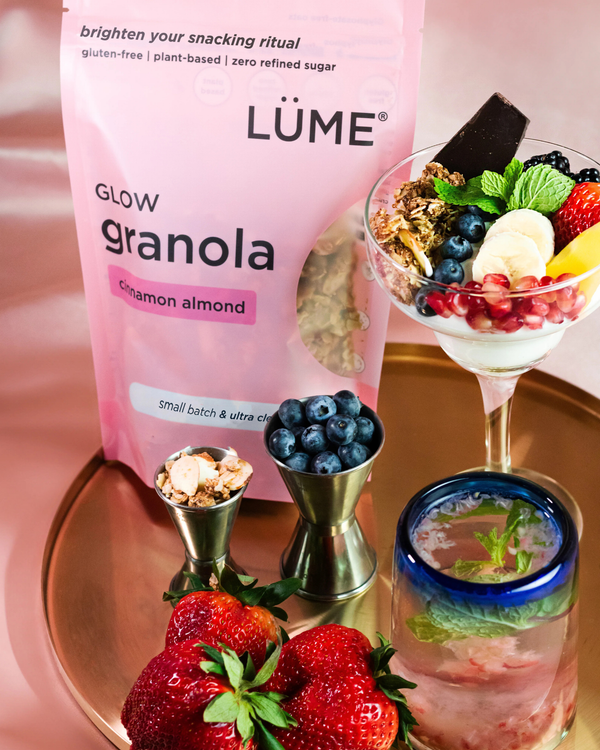
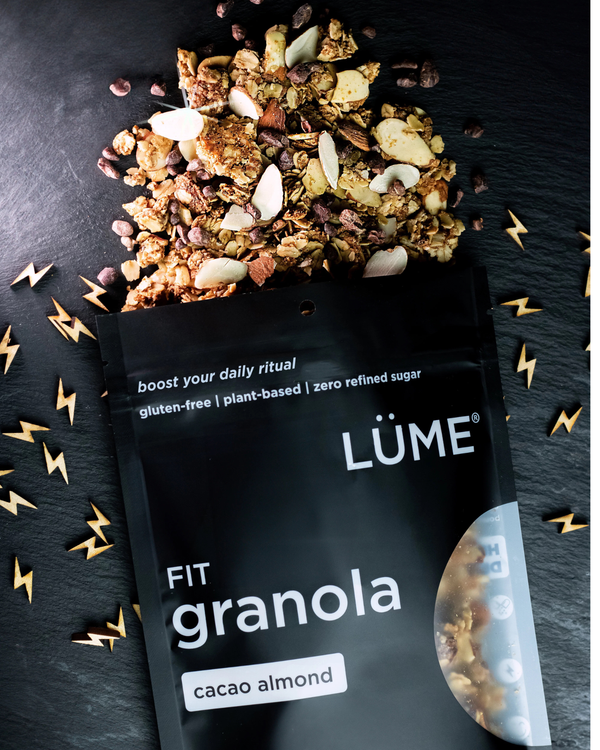
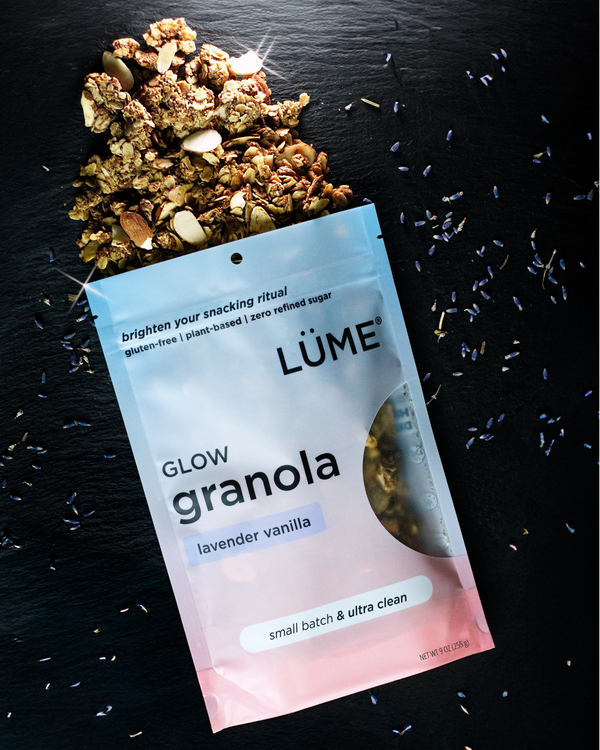
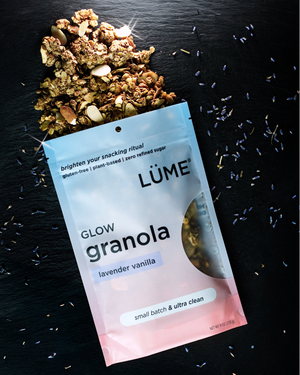
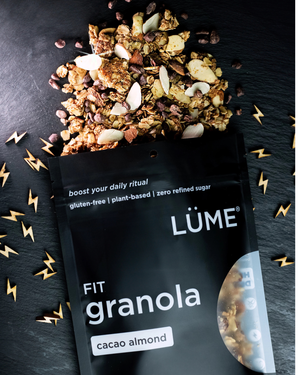
At LÜME, everything that sweetens or flavors our granola is a whole food. We sweeten with two ingredients: organic unrefined coconut sugar, made from the sap of coconut palm blossoms, and organic date flour, made from whole dried dates. Flavor comes the same way, from real ingredients like Ceylon cinnamon, cacao, vanilla bean, and lavender. No erythritol, no allulose, no stevia, no sucralose, no refined cane sugar, and no flavors built in a lab.

We use just enough to make it taste good: 4 grams of added sugar per serving. That is a small amount of minimally processed, whole-food sweetener that keeps its minerals and fiber, not a “zero” that leans on compounds your gut has to fight with.
Taste it in Cinnamon Almond, Cacao Almond, and Lavender Vanilla.
The Bottom Line
Refined sugar earned its reputation through volume: too much of it, in too many foods. The industry’s answer has been to replace it with sweeteners that read as zero on the label but bring bloating, gas, and diarrhea for many people, unresolved questions about the heart and the microbiome, and very little long-term human data.
There is a third option: real, minimally processed sweeteners like coconut sugar, dates, and raw honey, used sparingly. Read past the zero, read the ingredient list, and decide for yourself.
References
- Yang Q, et al. “Added sugar intake and cardiovascular diseases mortality among US adults.” JAMA Internal Medicine (2014). doi:10.1001/jamainternmed.2013.13563. pace-cme.org
- U.S. Department of Agriculture and U.S. Department of Health and Human Services. Dietary Guidelines for Americans, 2025 to 2030 (January 2026). realfood.gov
- Monash University FODMAP. “Sweeteners and the low FODMAP diet” (May 2020). monashfodmap.com
- Lenhart A, Chey WD. “A Systematic Review of the Effects of Polyols on Gastrointestinal Health and Irritable Bowel Syndrome.” Advances in Nutrition (2017);8(4):587-596. pubmed.ncbi.nlm.nih.gov
- Mäkinen KK. “Gastrointestinal Disturbances Associated with the Consumption of Sugar Alcohols with Special Consideration of Xylitol.” International Journal of Dentistry (2016). pmc.ncbi.nlm.nih.gov
- Witkowski M, et al. “The artificial sweetener erythritol and cardiovascular event risk.” Nature Medicine (2023), via NIH Research Matters. nih.gov
- Witkowski M, et al. “Ingestion of the non-nutritive sweetener erythritol, but not glucose, enhances platelet reactivity and thrombosis potential in healthy volunteers.” Arteriosclerosis, Thrombosis, and Vascular Biology (2024). doi:10.1161/ATVBAHA.124.321019. healio.com
- Han Y, et al. “Gastrointestinal Tolerance of D-Allulose in Healthy and Young Adults. A Non-Randomized Controlled Trial.” Nutrients (2018);10(12):2010. pmc.ncbi.nlm.nih.gov
- Qi L, et al. “D-Allulose as a Low-Calorie Sweetener: A 30-Day Randomized, Double-Blind Study on Gastrointestinal Tolerance and Systemic Safety.” Food Science & Nutrition (2026). doi:10.1002/fsn3.72042. citedrive.com
- Center for Science in the Public Interest. Public comment on allulose labeling (June 2019). cspi.org
- Suez J, Elinav E, et al. “Personalized microbiome-driven effects of non-nutritive sweeteners on human glucose tolerance.” Cell (August 2022), via Elsevier Connect. elsevier.com
- Saraiva A, et al. Review of coconut sugar composition and health impacts. International Journal of Environmental Research and Public Health (2023);20(4):3671. mdpi.com
- Alkaabi JM, et al. “Glycemic indices of five varieties of dates in healthy and diabetic subjects.” Nutrition Journal (2011);10:59. nutritionj.biomedcentral.com
- “Effect of honey on cardiometabolic risk factors: a systematic review and meta-analysis.” Nutrition Reviews (November 2022), doi:10.1093/nutrit/nuac086, via University of Toronto Temerty Faculty of Medicine. temertymedicine.utoronto.ca
Medical Disclaimer
The content on this page is provided for general informational and educational purposes only. It is not medical advice, and it is not a substitute for diagnosis or treatment from a qualified healthcare professional.
LÜME is a food company, not a medical provider. Nothing here is intended to diagnose, treat, cure, or prevent any disease. Nutrition research evolves, individual needs differ, and a finding that applies to a population may not apply to you.